Overallocated
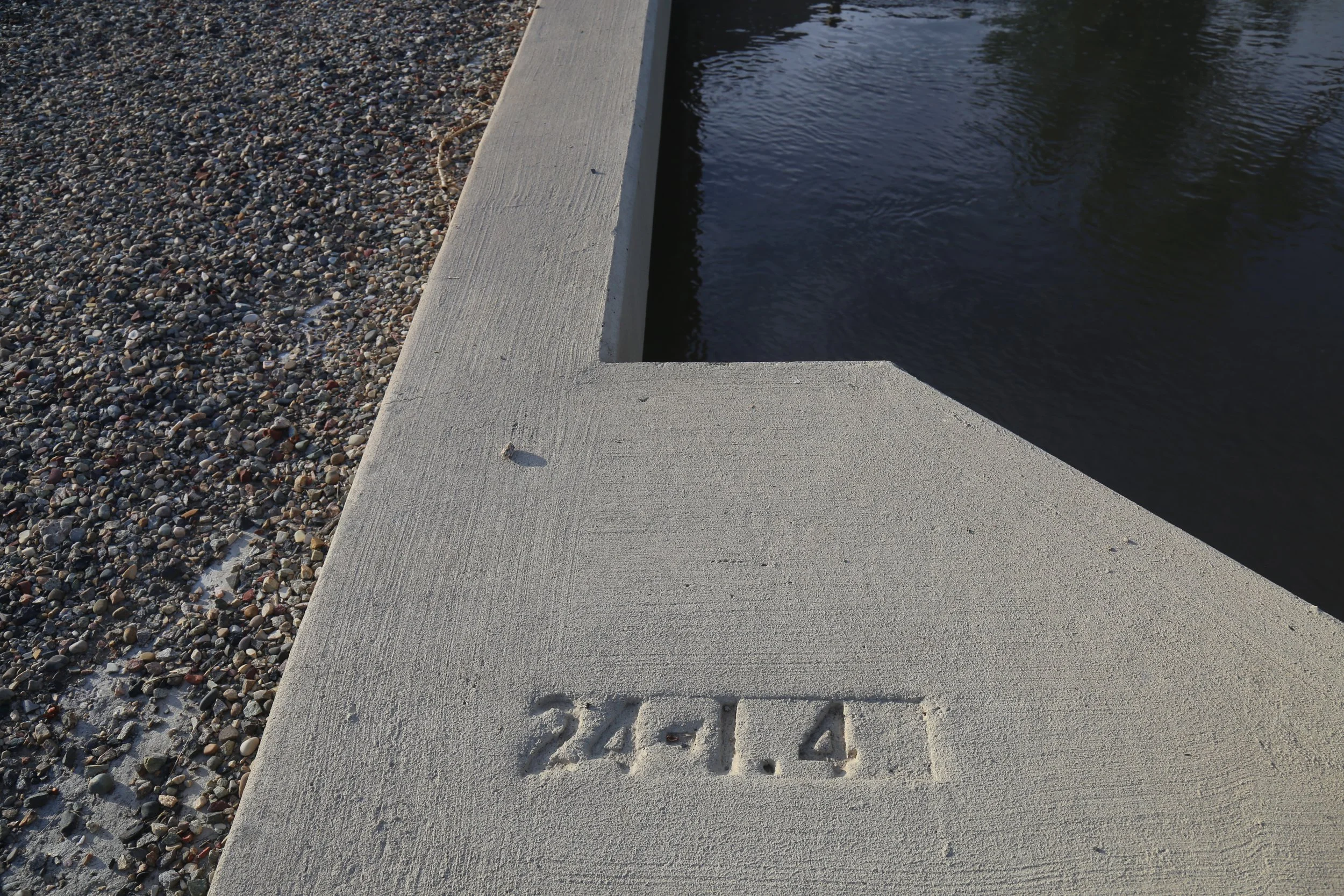
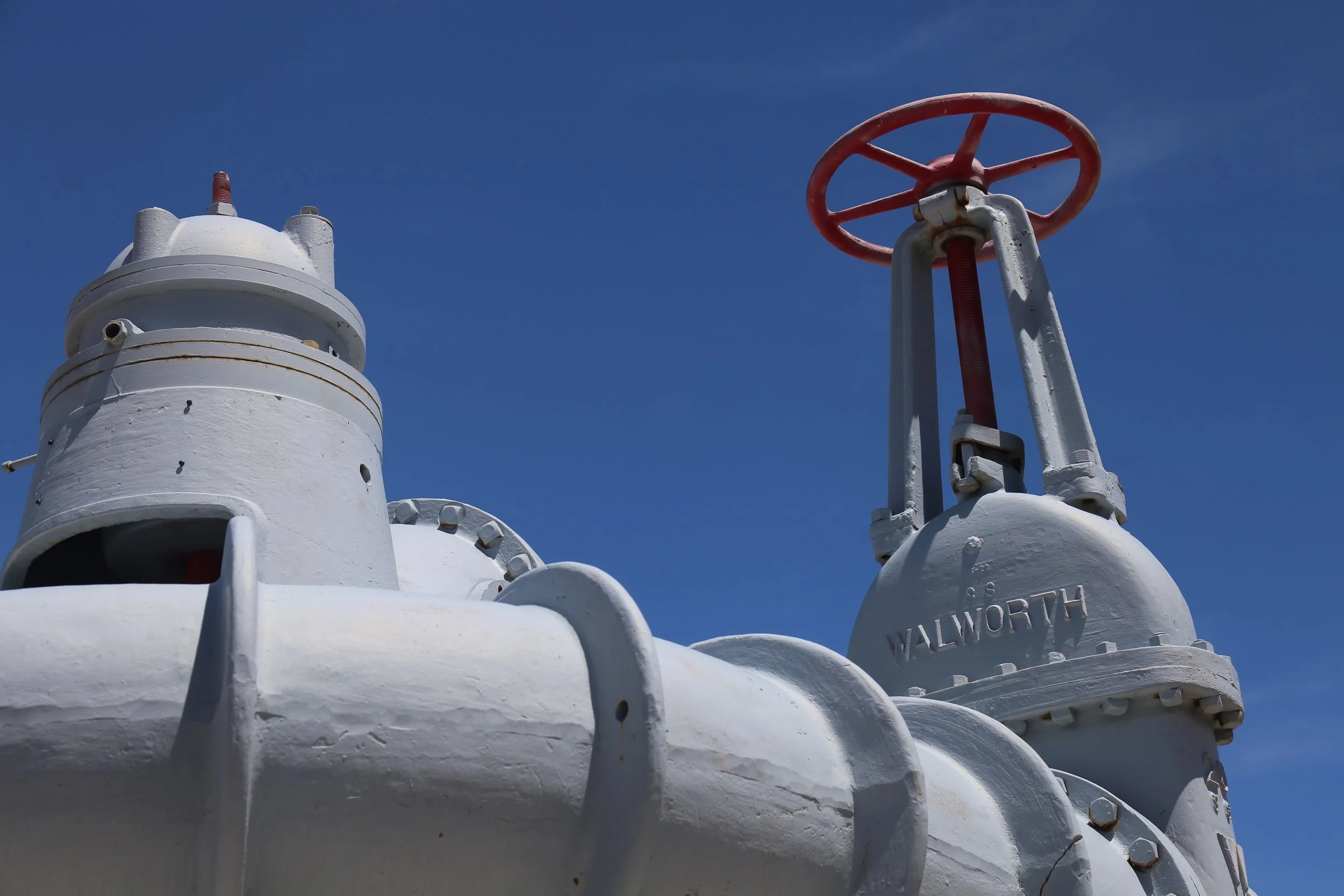
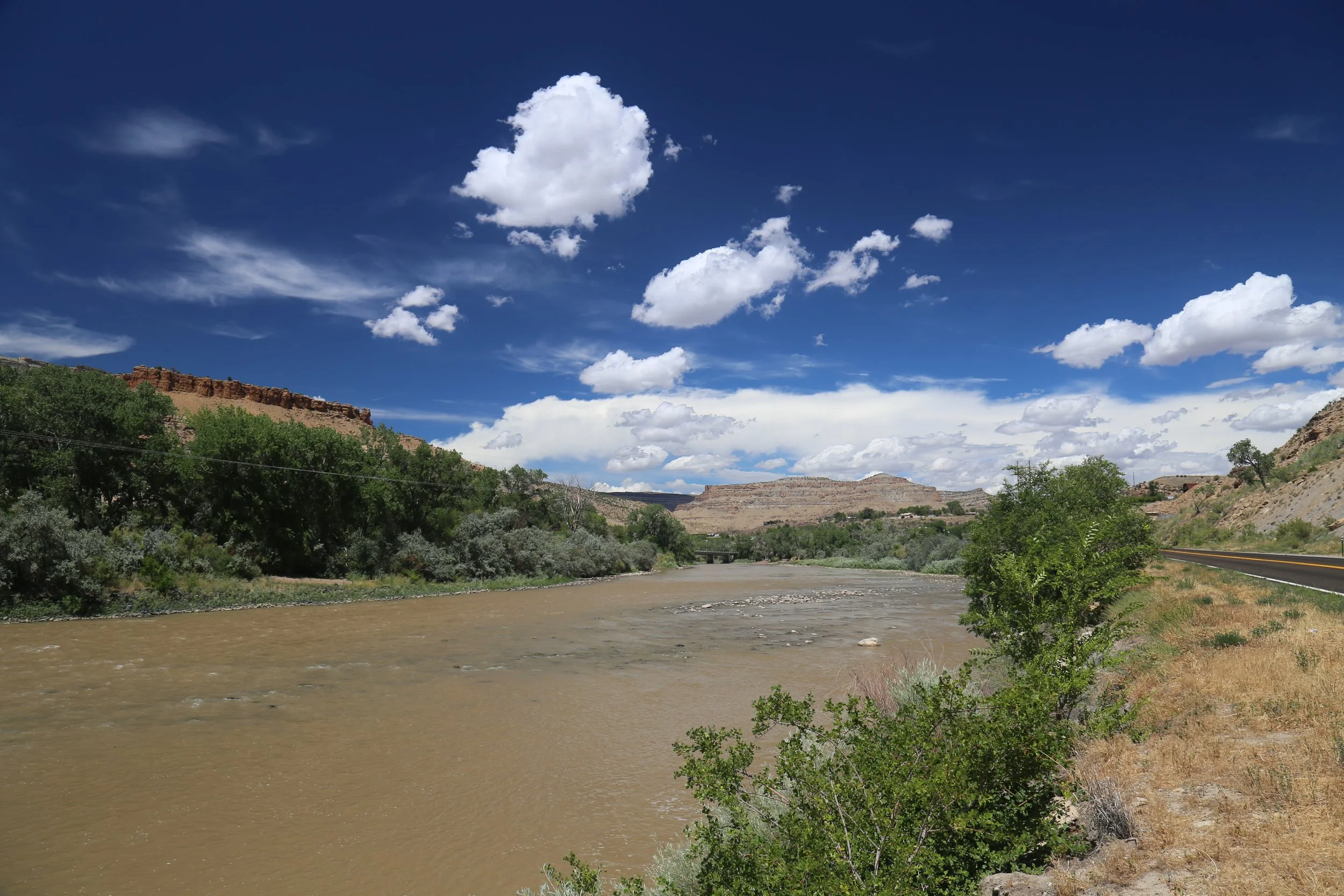
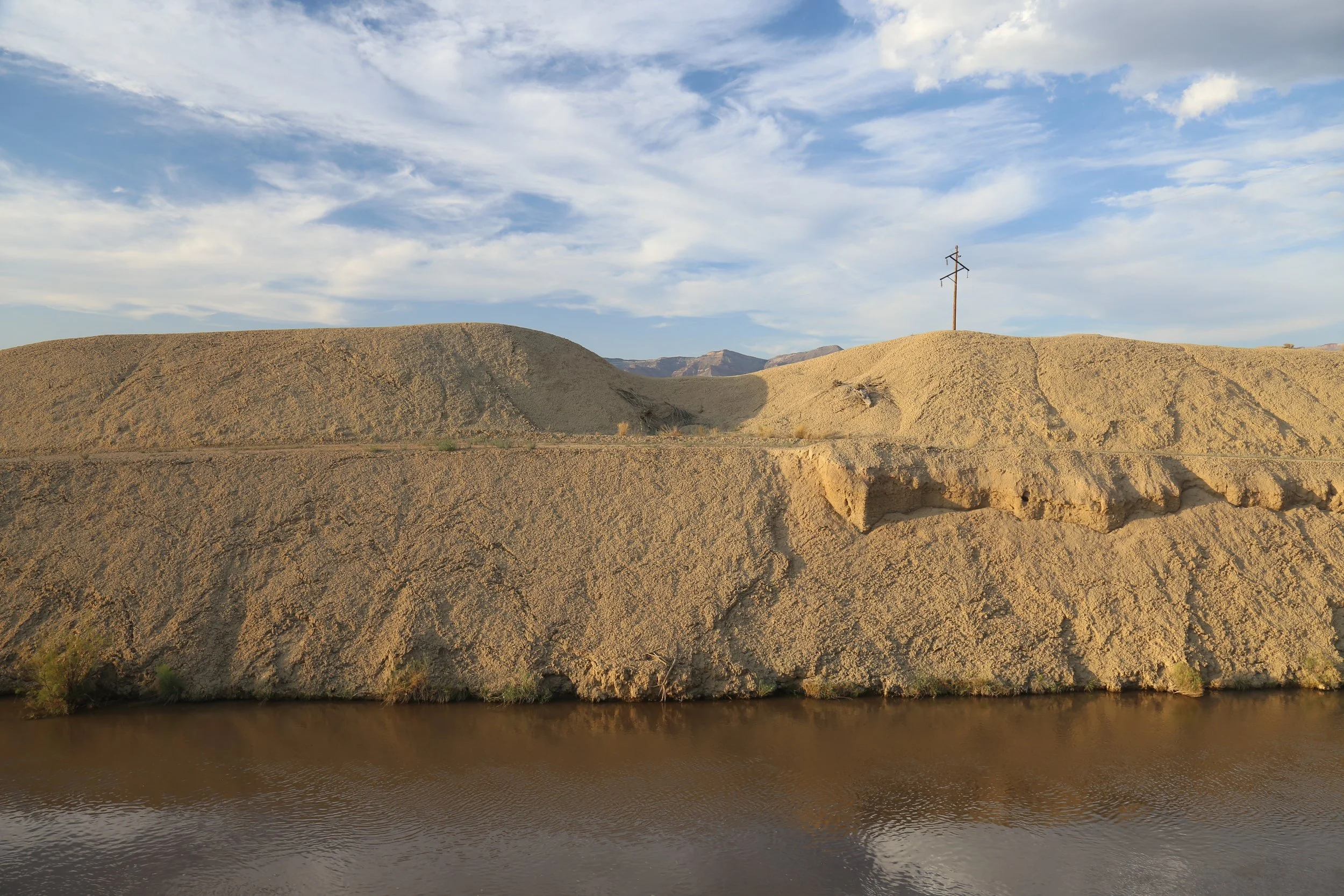
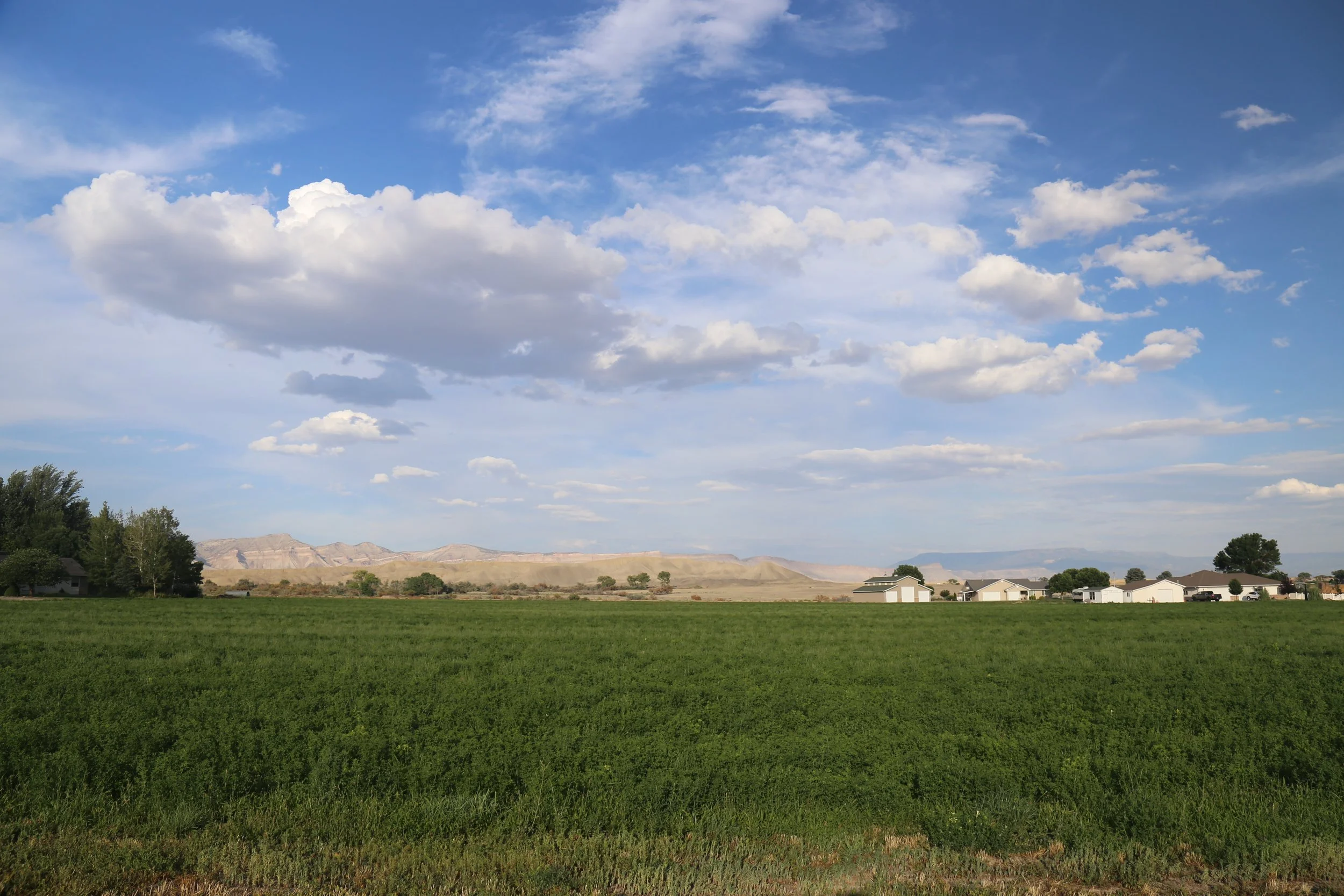
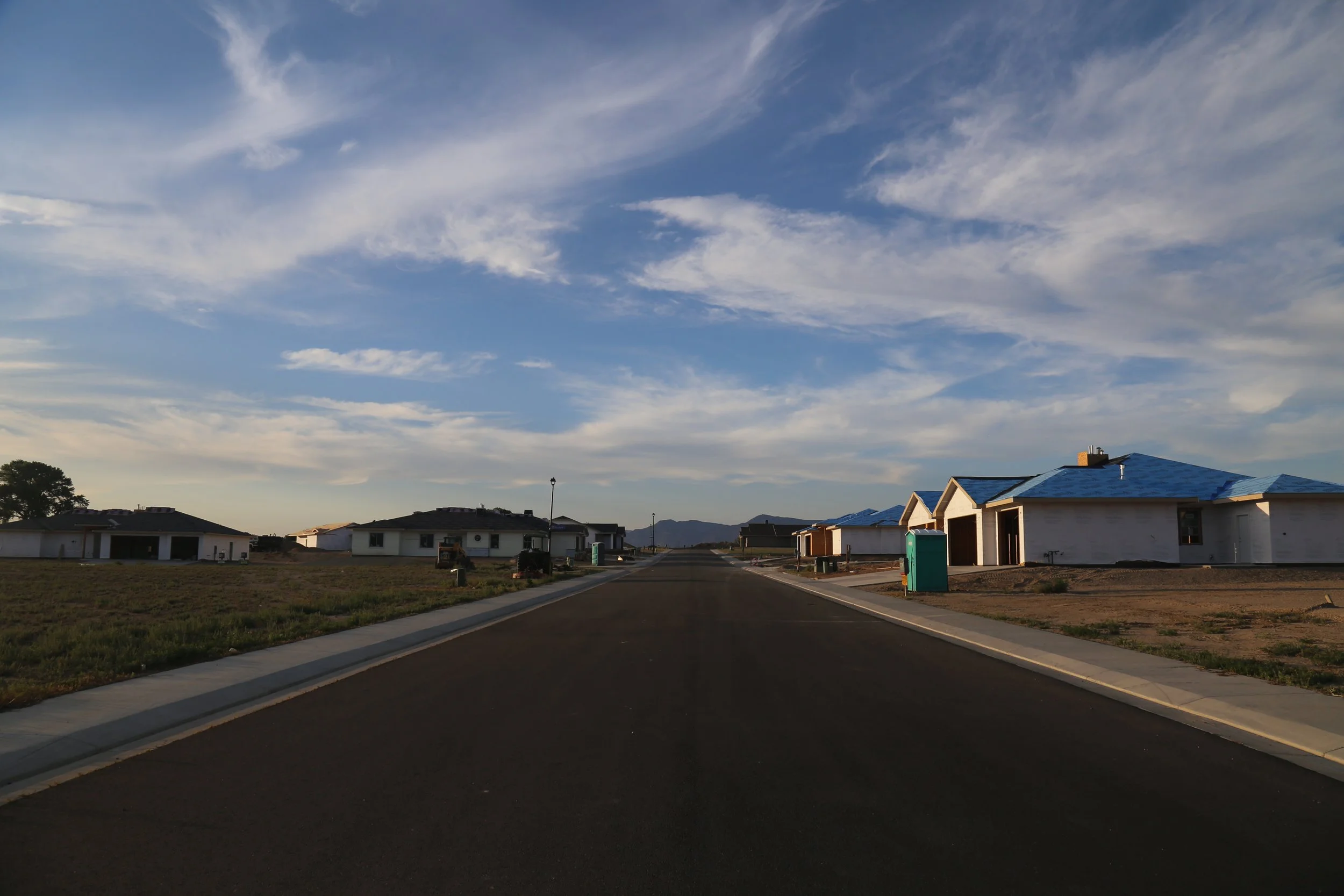
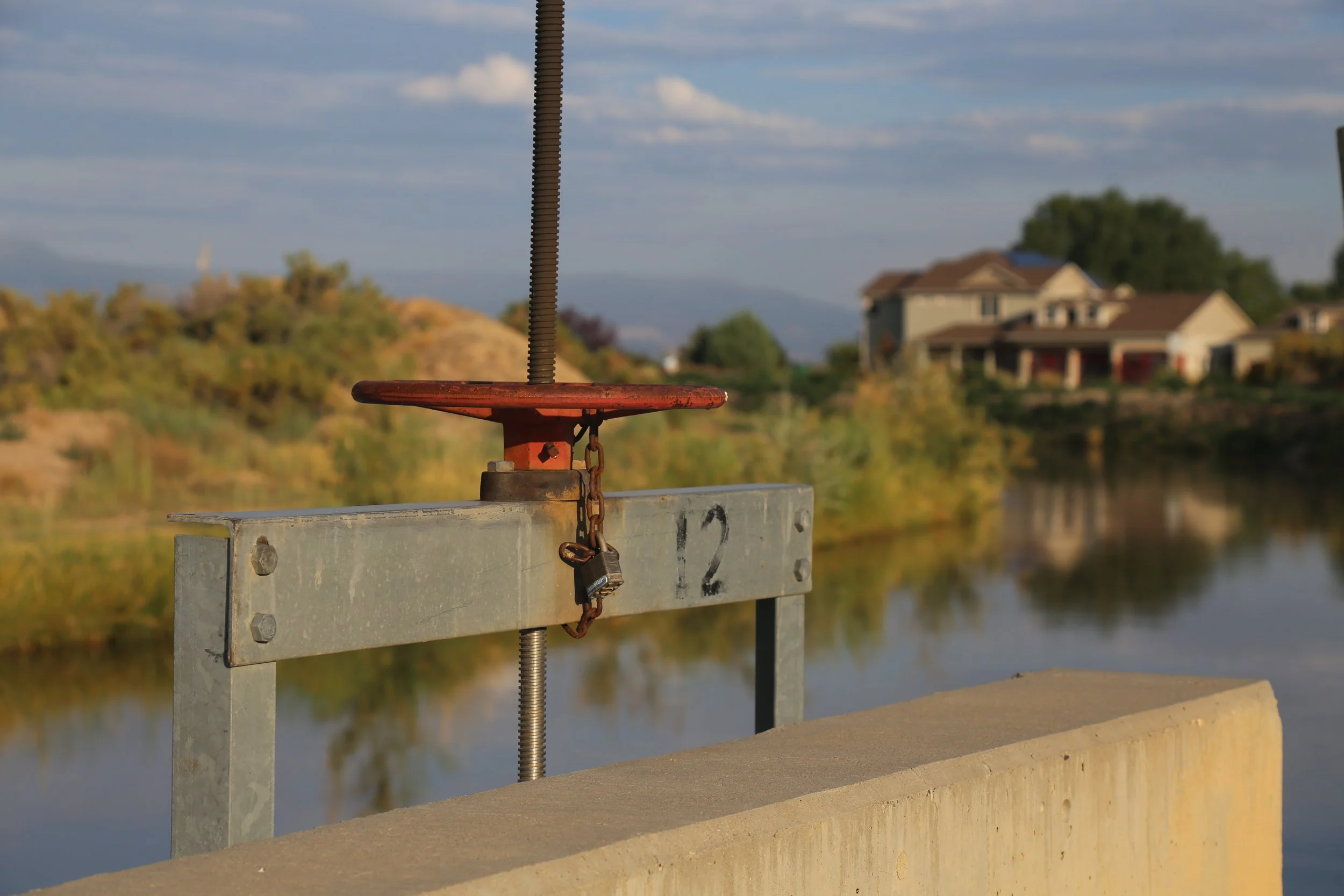
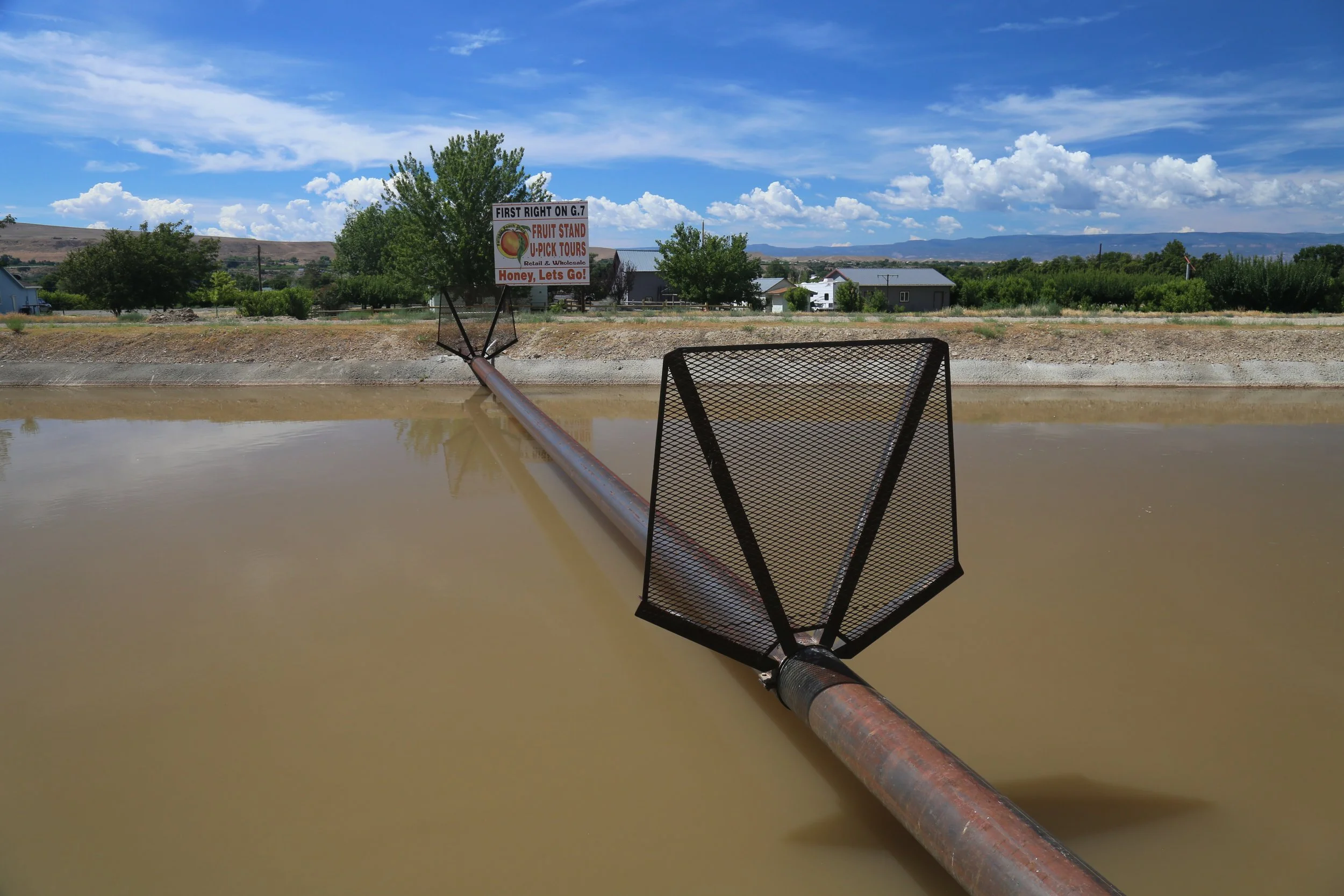
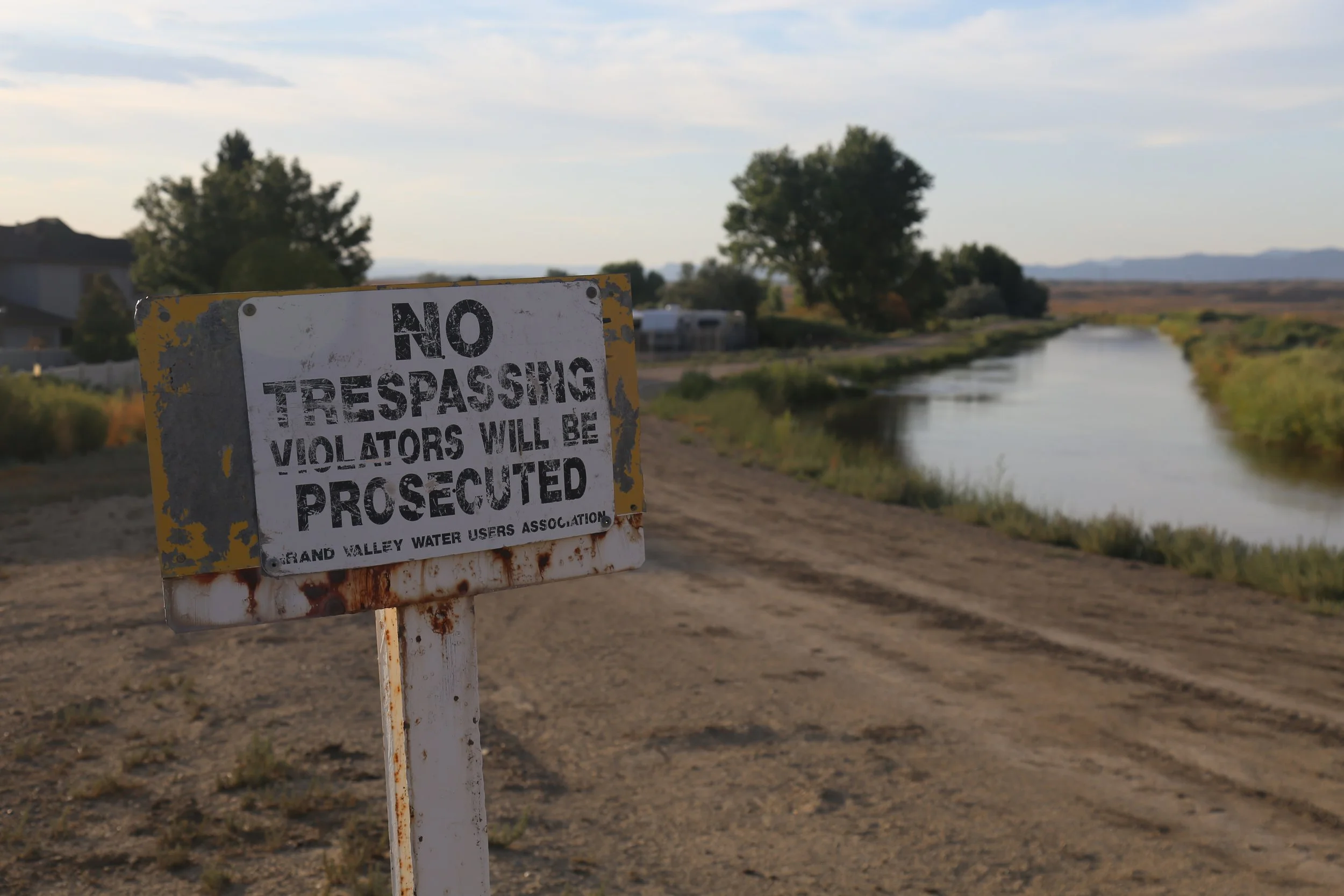
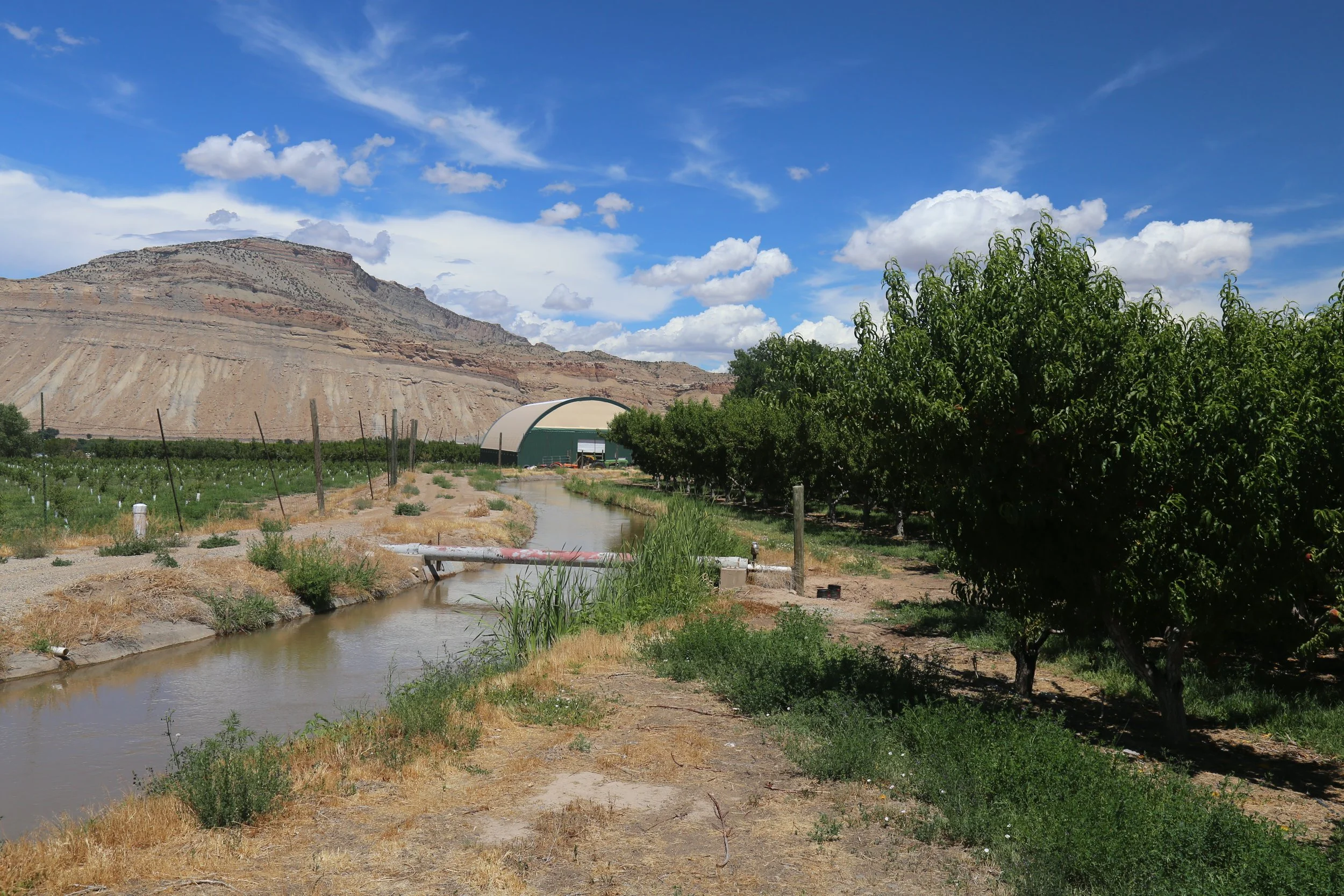
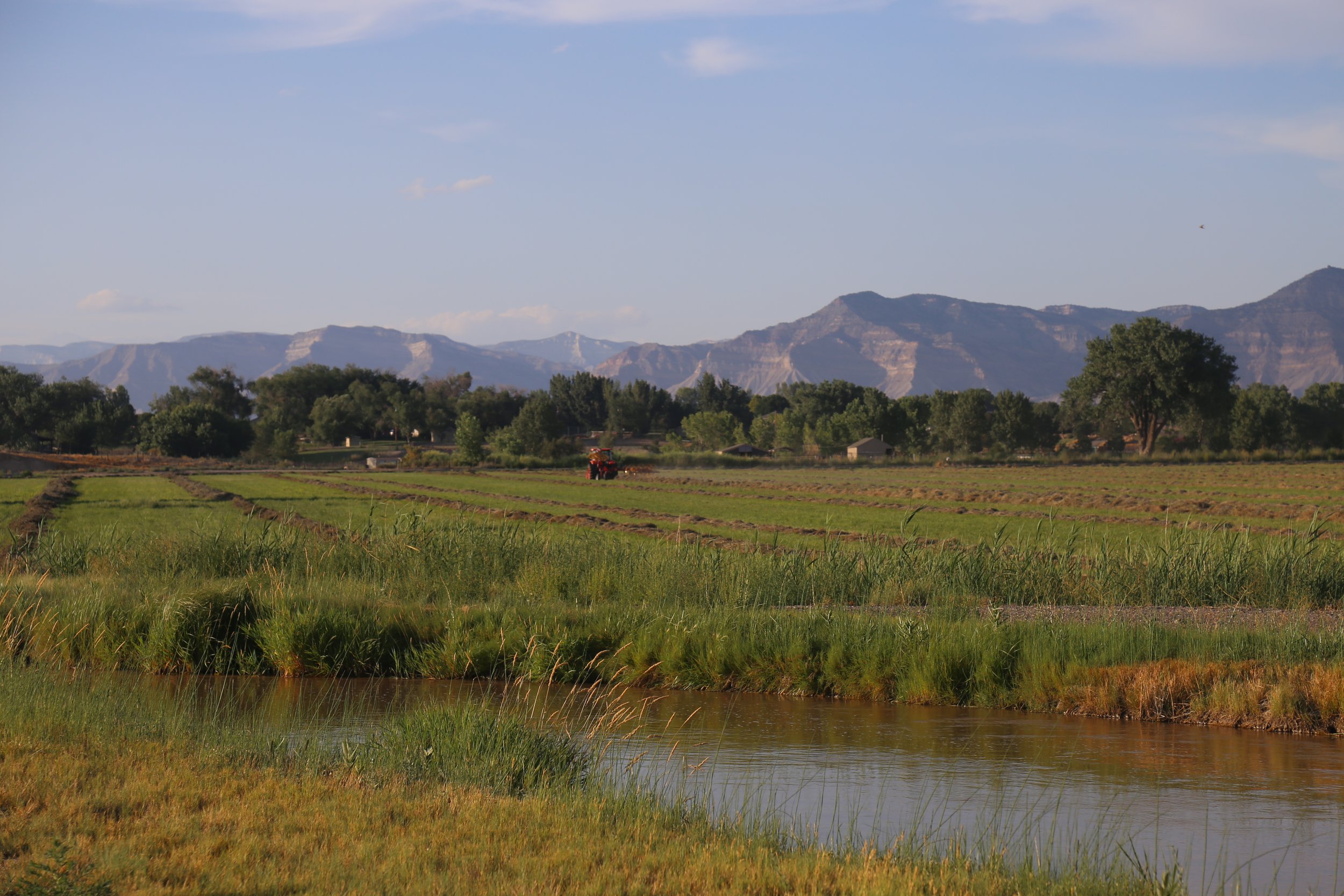
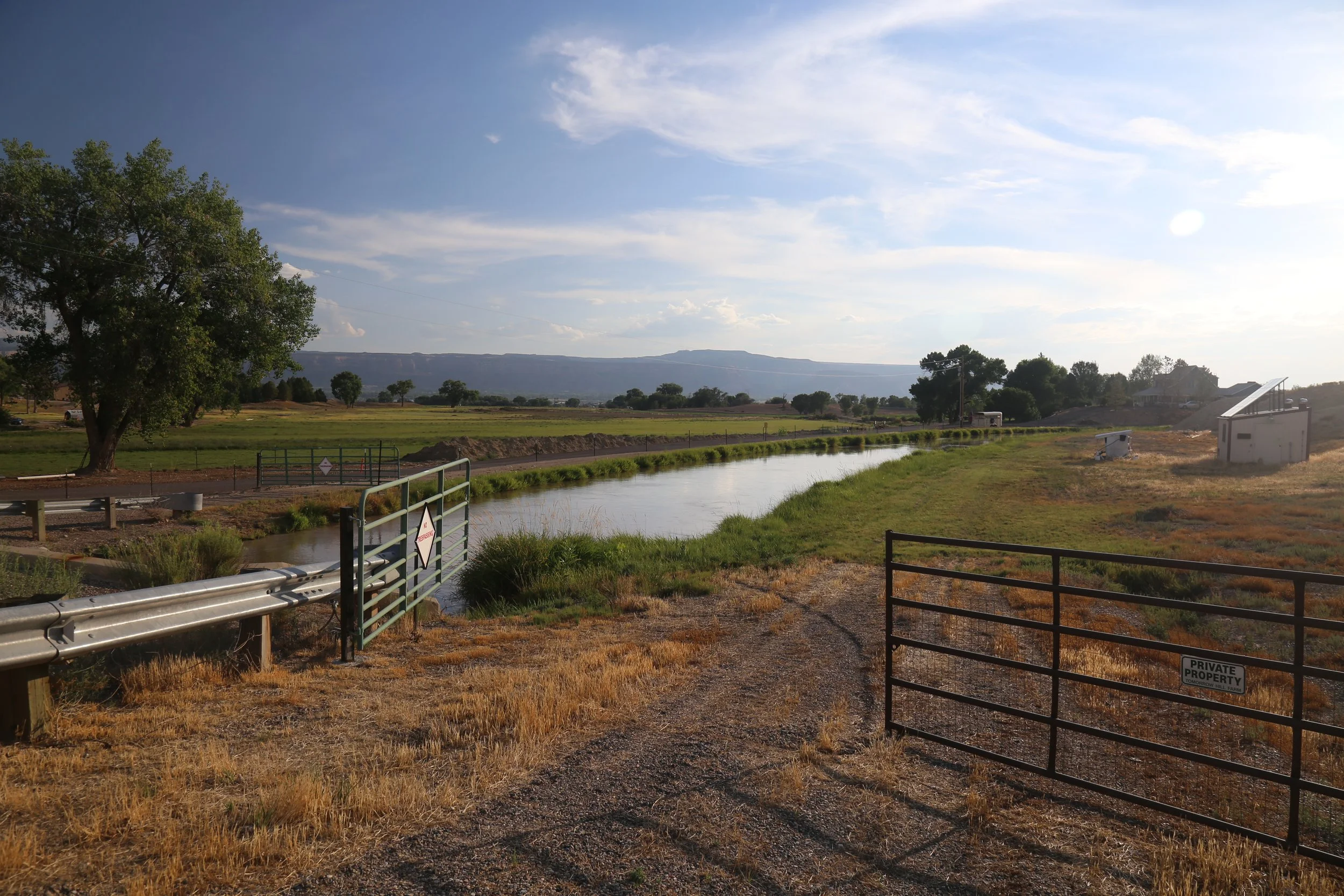
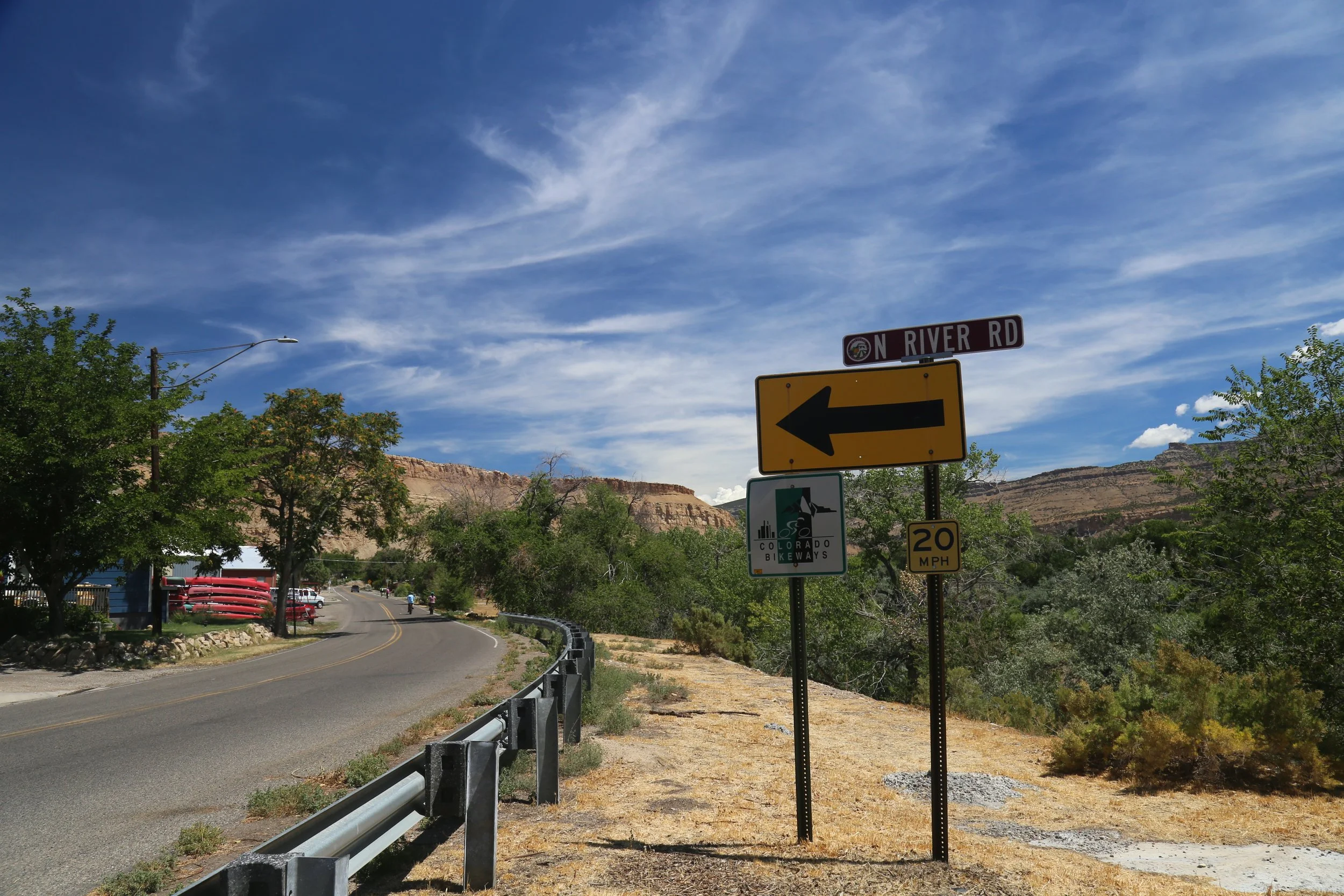
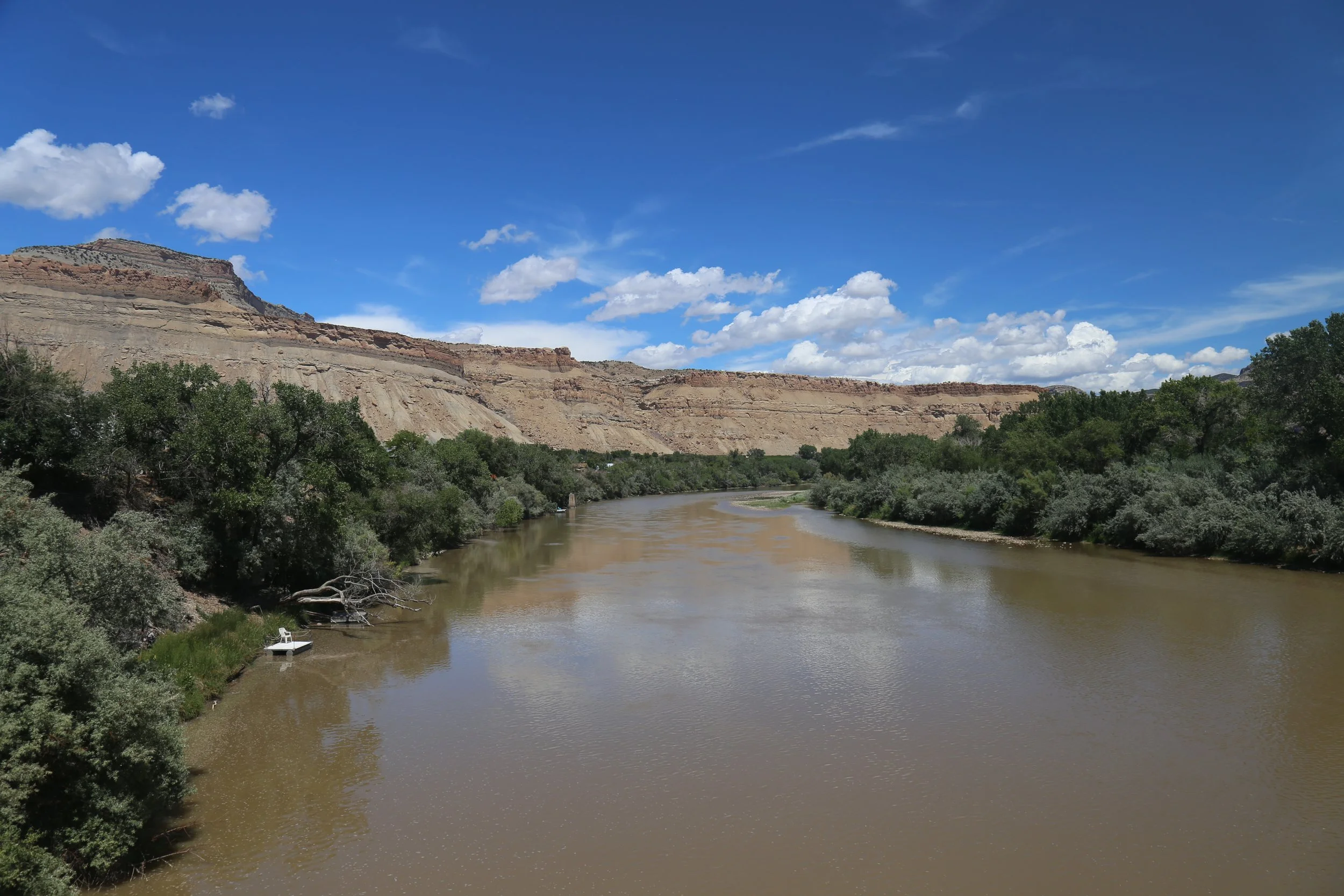
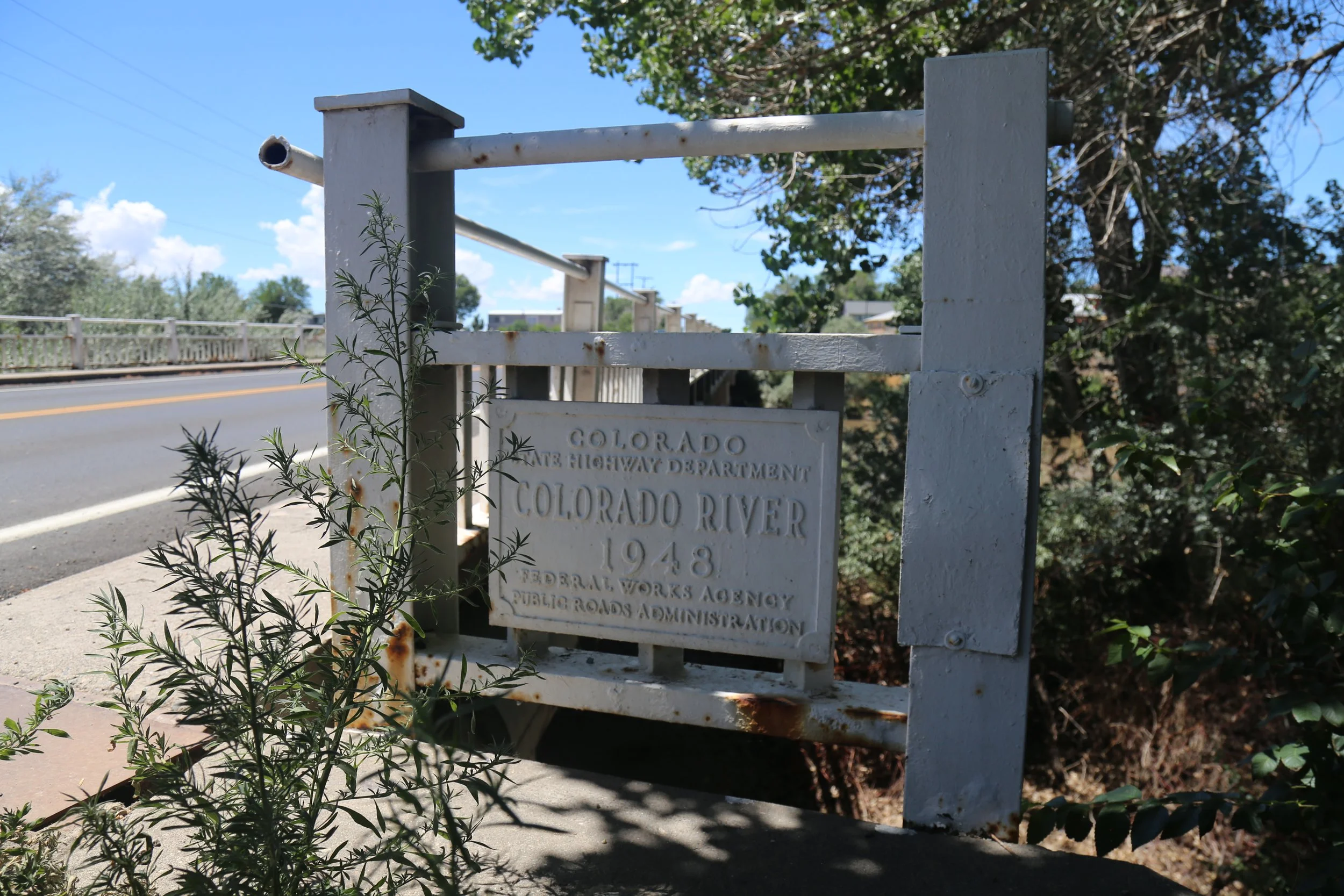
In the Grand Valley of Western Colorado, the violent removal of Ute peoples in 1881 opened the region for irrigation development. Settlers constructed diversions, ditches, and later massive storage projects to “reclaim” arid lands and convert them into productive agricultural spaces. Under the doctrine of prior appropriation—“first in time, first in right”—those earliest settler claims became senior water rights, conferring priority over all later users. This logic forms the basis of western water law and governance. Today, the Grand Valley remains shaped by these nineteenth-century logics of possession as farmlands become commodified for their water rights potential, debates over water quantification ensue between states and tribes, and the growing expansion of urban development in an arid environment threatens a water system that is already overallocated. This emergent photodocumentary and research project centers in Grand Junction, CO—named for the union of the Gunnison and former Grand rivers (currently known as the Colorado River). Both geographically and symbolically, this site represents the convergence of layered and obscured histories of settler violence on Indigenous homelands and waterways.